
Wondering if your
testosterone levels
are off?
Our men's health doctors evaluate your hormonal health, identify low testosterone and other deficiencies, and create a personalised treatment plan to help you feel your best.
Featured On
Common symptoms our doctors assess in men’s health consultations


Fatigue
Brain Fog


Muscle and Bone Loss
Low Energy


Mood Disturbances
Erectile Dysfunction


Low Libido
Poor Sleep
These symptoms can have a range of causes. A proper clinical assessment, including relevant bloodwork will help identify what’s behind them.
What does our men’s health assessment cover?
Testosterone plays a central role in many aspects of men's health — including energy levels, mood, body composition, sexual function, and sleep quality. These are complex, interconnected systems, and changes in how you feel often reflect changes in how those systems are functioning.
During your consultation, our doctors take a full clinical history and arrange targeted bloodwork to get a clear picture of your hormone levels and overall health. If a clinical need is identified, your doctor will discuss what options may be appropriate for your specific situation — including the potential benefits, risks, and what ongoing management looks like.
Testosterone replacement therapy is one possible option for men with confirmed, clinically significant low testosterone. It is not appropriate for everyone, and our doctors do not prescribe it unless the clinical evidence supports it.


How it Works
Assessment & Bloodwork
Your first consultation is a 30-minute telehealth appointment with one of our doctors. They'll take a thorough medical history, discuss your symptoms in detail, and arrange relevant bloodwork at a lab near you — including a comprehensive hormone panel. No prescription is made at this stage.
2.Clinical Review
Once your results are in, your doctor reviews them against your clinical history and symptoms. If your results indicate a clinical need and you meet the criteria for treatment, your doctor will contact you to schedule a follow-up. During this appointment, they'll walk you through what the results mean, what options may be appropriate, and — importantly — what the risks and monitoring requirements are. Any prescription is made at your doctor's clinical discretion.
3.Ongoing Monitoring
If treatment is prescribed, ongoing follow-up is a required part of your care. Regular appointments and bloodwork — typically every 3–6 months, or as directed by your doctor — ensure your treatment remains safe and clinically appropriate. Dosing is adjusted over time as needed.
Disclaimer*
Bloodwork referrals and repeat prescriptions are included in your consultation fees, subject to the clinical decisions of your doctor. Consultation fees do not guarantee a prescription.
Why Us?
Because we do it better , we understand your needs
Here’s why


Let’s get you talking to a doctor that gets men’s health.
Initial Telehealth Consultation
$179
Start with a 30-minute telehealth assessment
Comprehensive blood tests will be arranged based on the assessment.
Follow Up Telehealth Consultation
$159
Discussion of lifestyle changes, appropriate supplementation, and potential testosterone therapy.
Ongoing management includes regular blood tests and follow-up consultations and repeat prescriptions.
EXPRESS consultations
If you have started testosterone therapy and you remain stable you will be eligible for TRT Express Consultations
$99

The Journey
⁎
The Journey ⁎
Download our free resource flowchart to get better understanding about the process and costings.
Our Team
-
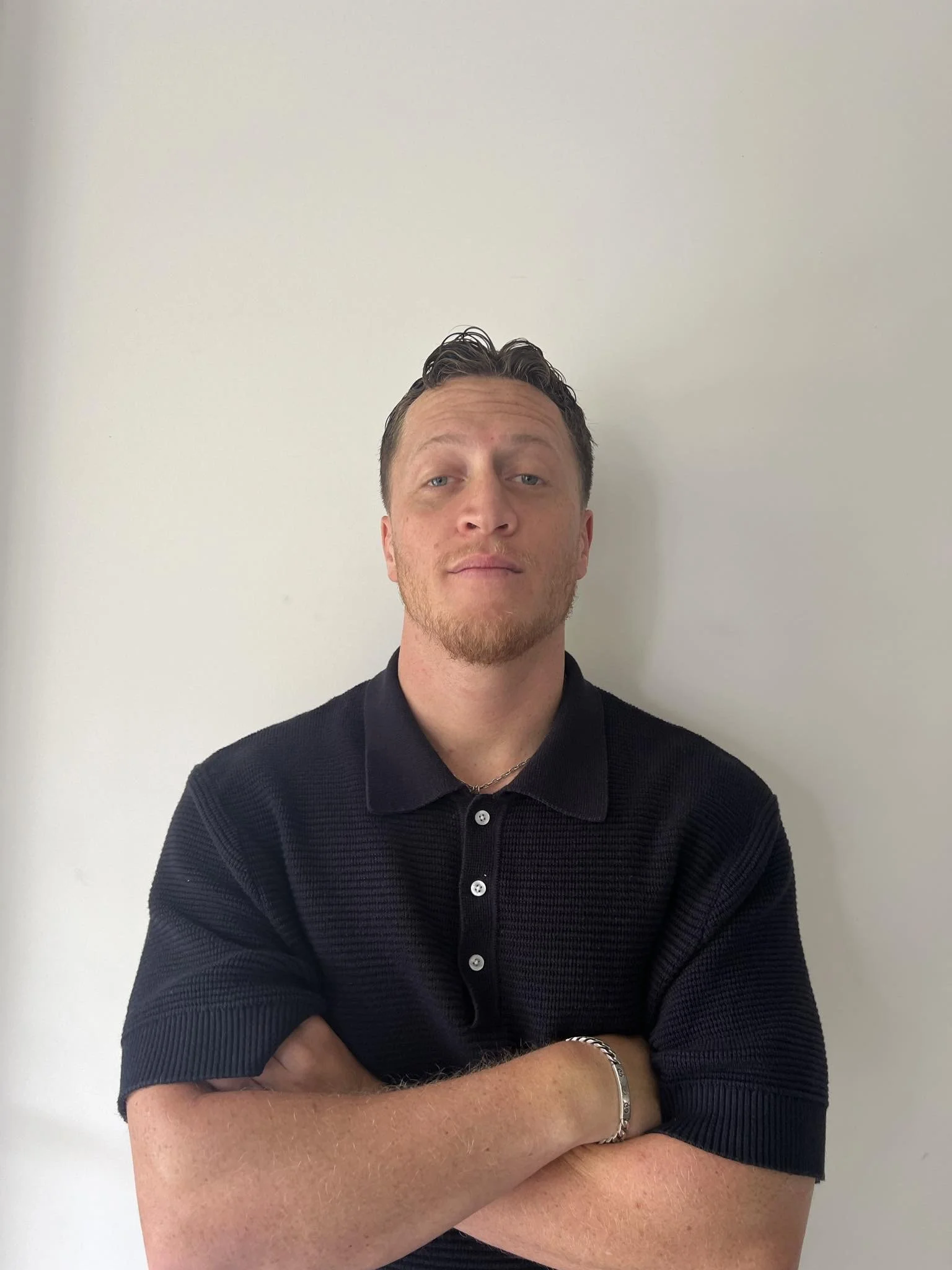
![Person wearing a black polo shirt with arms crossed, standing against a white background.]()
Dr Dom Smith
Clinical Director NZ & AU
MBChB, FRNZCGP, Special Interest - Men’s Health, GLP-1 Weightloss,
-
![Smiling person in a red shirt against a light background]()
Dr Vijay Srivastava
Clinician
MBChB, FRNZCGP, Special Interest - Men’s Health
Diploma in Dermascopy, Diploma in Skin Cancer Medicine and Surgery, Diploma in Cosmetic Medicine
Vasectomy Proceduralist
-
![Dr Tushar Srivastava]()
Dr Tushar Srivastava
Selfcare Founder and Director NZ & AU
MBChB, PGWHlth, PGDipOccMed, Occupational and Environmental Medicine Advanced Specialist-in-Training (RACP/AFOEM), Special Interest - Men’s Health
-
![A smiling man in medical scrubs standing against a white wall.]()
Dr Josiah Tu'inukuafe
Clinician
MBChB, Special Interest - Men’s Health, GLP-1 Weightloss
-
![Ms Sonja de Jong]()
Ms Sonja de Jong
Practice Manager
Background in Emergency Nursing, Theatre, and Clinical Ward Management
-
![]()
Dr Idris Anwar
Clinician
MB, BCh, BAO, General Practitioner Registrar Trainee (RNZCGP), Special interest - Men’s Health
-
![A man with short black hair and light brown skin, wearing a beige sweater with a quarter zipper, sitting in front of a green cushioned background with patterned wallpaper.]()
Dr Jimmy Maslai
Clinician
MBChB, Special Interest - GLP-1 Weightloss and Men’s Health
-
![Mr Thomas Wood]()
Mr Thomas Wood
Men's Health Nutritionist
BSc - Double Major in Exercise Science and Psychology
-
![A young woman with red hair, a nose piercing, and earrings, smiling outdoors on a sunny day, wearing a white sleeveless top.]()
Ms Lisa Walker
Selfcare Nutritionist & Supplement Lead
BSc(Psych)
-
![]()
Dr Rolando Perez
Clinician
MBChB, FRNZCGP, Special Interest - Men’s Health






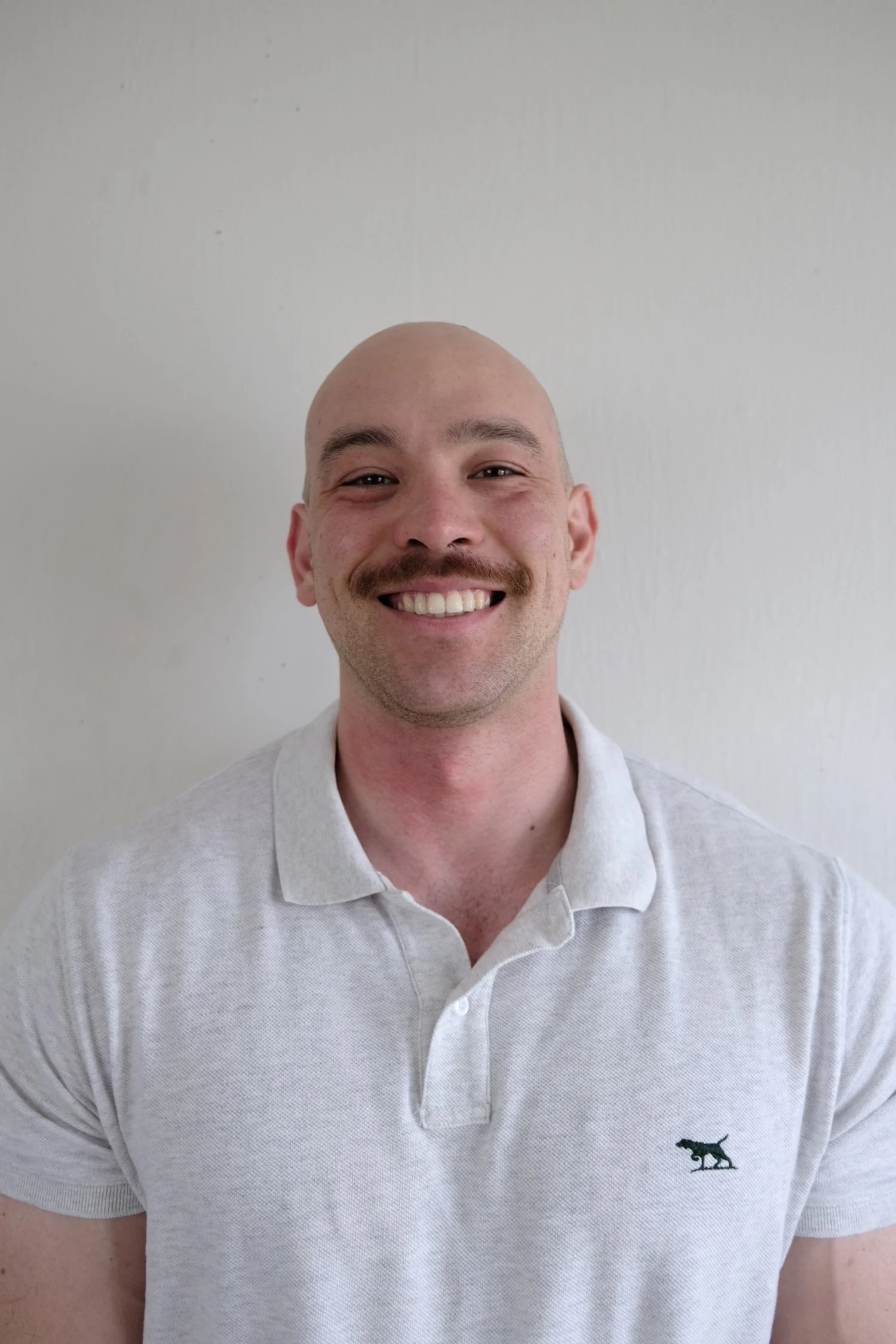


Still unsure if
this consultation is right
for you?
Take our in-depth free Testosterone Symptom Assessment tool to help you.
Already have testosterone bloodwork but are still unsure?
Use this guide to understand the key markers your doctor looks at — and what questions to bring to your consultation.
Book Today
with one of our experienced doctors
Risks and Considerations
-
Testosterone replacement therapy, where clinically indicated, can be an effective part of a managed men's health plan. Like all prescription treatments, it also carries potential risks and considerations that your doctor will discuss with you before any prescription is made.
-
TRT can reduce sperm production and affect fertility. Men who wish to preserve fertility are assessed separately and other options may be discussed. Bring this up to your doctor to discuss options.
-
Your doctor will review cardiovascular risk factors as part of your assessment, including blood pressure and lipid levels, which are monitored during ongoing care.
-
TRT can increase the number of red blood cells (polycythemia), which is why regular bloodwork is a required part of ongoing management — not optional.
-
TRT is not a set-and-forget prescription. Effective, safe management requires regular follow-up consultations and bloodwork — typically every 3–6 months.
-
Not everyone who experiences symptoms of low energy, low libido, or mood changes has clinically low testosterone. Your doctor assesses whether your bloodwork and clinical picture meet the threshold for treatment.
*This information is provided for educational purposes. Your doctor will discuss your individual circumstances and risks in full during your consultation.
Medical Disclaimer: The information on this page is for educational and informational purposes only. It is not intended as medical advice, a diagnosis, or a recommendation for any treatment. Always seek the advice of your doctor or qualified health provider regarding any medical condition or before starting any new treatment. In a medical emergency, call 111 or attend your nearest emergency department.
Testosterone replacement therapy is a prescription medicine in New Zealand. It is available only on prescription, following a clinical assessment by a registered medical practitioner. Prescriptions are issued at the doctor's clinical discretion.